
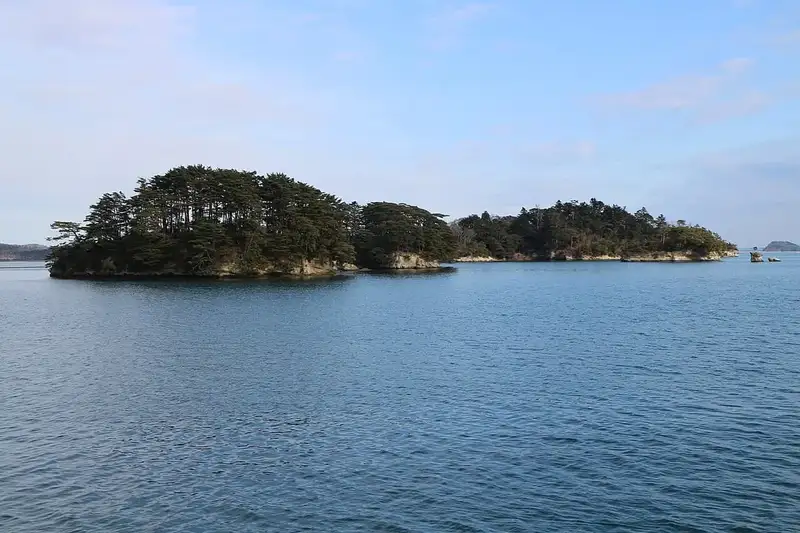
Sendai Travel Guide 2027: Matsushima, Aoba Castle, Zuihoden & Gyutan
Tohoku's gateway and City of Trees — Matsushima of the Three Views, Date Masamune's Aoba Castle ruins and Zuihoden, Jozenji-dori, gyutan and zunda.
 ブロ猫の旅ぶろねこのたび
Tohoku
Ginzan Onsen, Zao, Sendai, Yamadera — Tohoku in every season. (19 in-depth guides)
Start with a favourite story. Leave room for a little curiosity.
19 travel stories
Tohoku's gateway and City of Trees — Matsushima of the Three Views, Date Masamune's Aoba Castle ruins and Zuihoden, Jozenji-dori, gyutan and zunda.
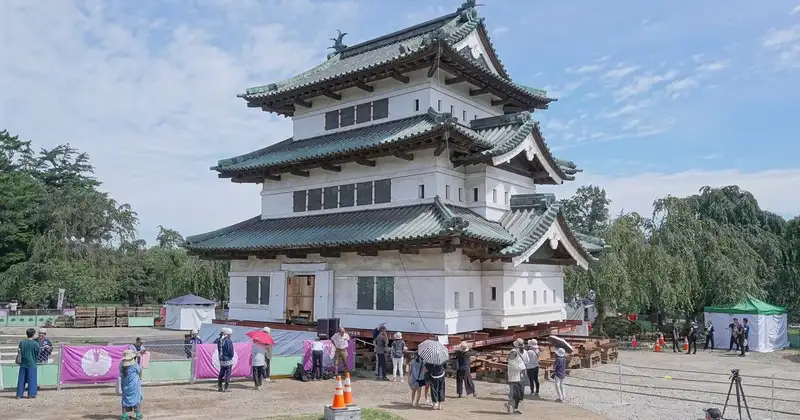
The keep returns to its base in November 2026 — but it lands on a steel work platform, with the stone wall hidden and the inner moat still dry until FY2032.

Yokote's kamakura moved to February 12-13 for 2027, a four-year trial through 2029. Bonten stayed fixed on the 16th and 17th, so the overlap day is gone.
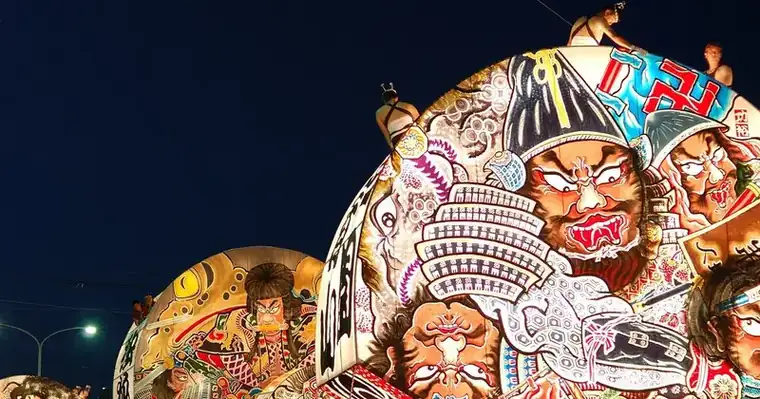
Fixed August 1-7 every year, so 2027 runs Sun 1 to Sat 7 August. Hirosaki Neputa parades at 10:00 in the morning on the final day — not at night.
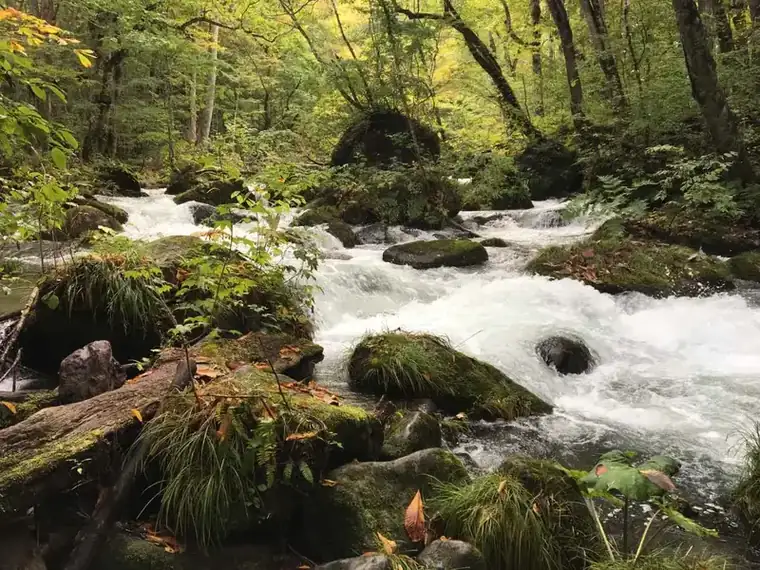
Buses run until Nov 11 from Aomori and Nov 17 from Hachinohe, then stop for winter. The 2026 timetable and fares, the reservation-only winter buses that ran last season, and the 2027 car ban planned for Oct 25–31.
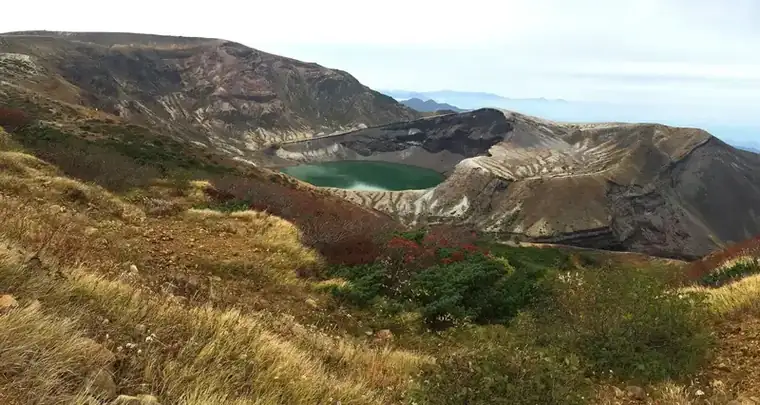
Okama opens in two layers: the Echo Line from April 24 to November 4, 2026, and the Highline 7:30–17:00, cut to 16:00 from October 13. Two buses, a free shuttle, the Katta Lift and the ropeway myth.

Fixed dates every August 2–7, so 2027 runs Mon 2 to Sat 7 August. Haneto dancers need no registration — seat prices and sales timing, costume rules and the Wa Rasse closure trap.
Zuiganji rose to ¥1,000 in April 2026 and closes at 16:00 in November. The 50-minute cruise, Entsuin’s Oct 24–Nov 23 illumination, oyster season and the station trap.
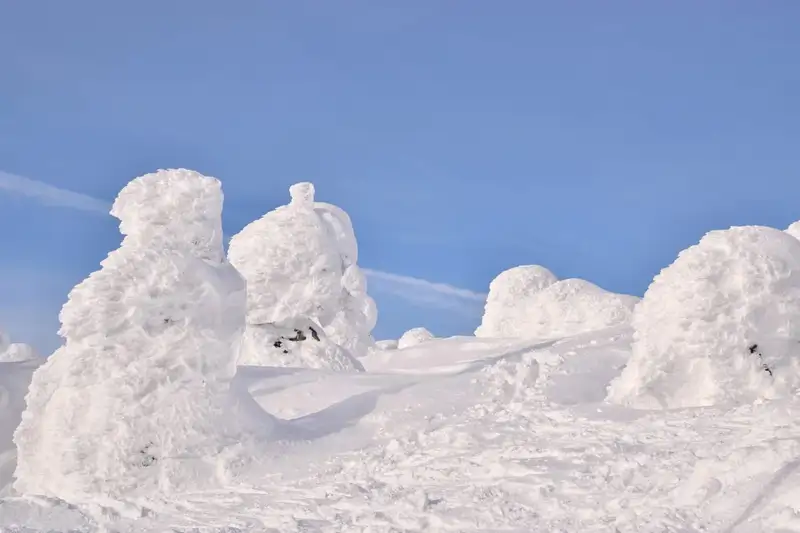
Snow monsters peak late Jan–Feb; the ropeway runs ¥4,400 round trip (verified). Is the light-up, skiing and onsen combo worth the trip?
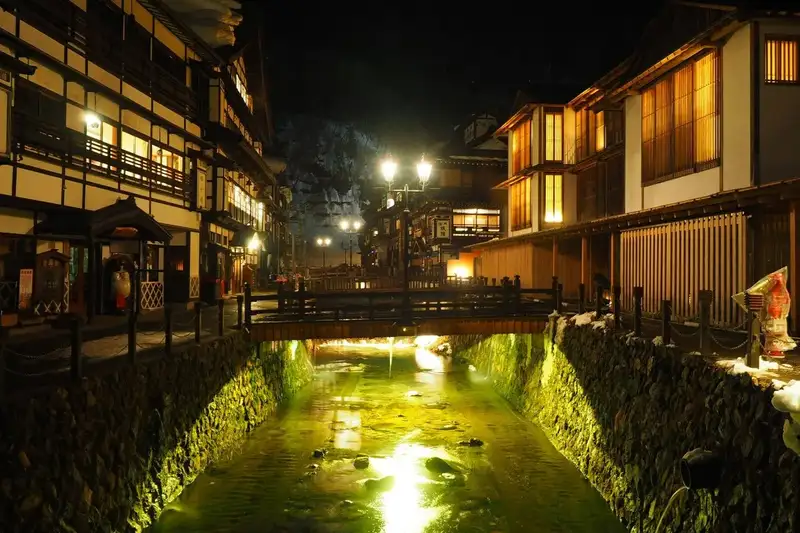
From Sendai through Ginzan Onsen, Zao snow monsters, Kakunodate and the Hirosaki/Yokote snow festivals — a 5-day core plus 7-day extension.

Edo-era Fukushima — the thatched Ouchijuku post town with whole-leek soba, red-tiled Tsuruga Castle, the Byakkotai of Mt. Iimoriyama, and the honest no-direct-train transfer reality.
Snow monsters in winter, the emerald Okama crater in summer — the ¥4,400 Zao Ropeway, strong-acid Zao Onsen, plus Yamadera's 1,015 stone steps. What to see and exactly when.
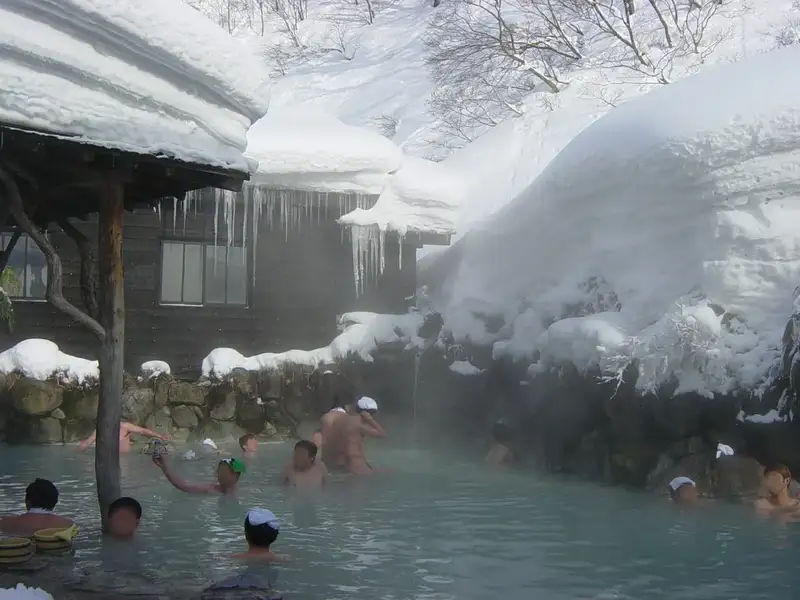
The milky open-air bath at Tsuru-no-yu, a ¥2,500 onsen-hopping pass across seven inns, Japan's deepest Lake Tazawa, and the Oga namahage demons — three hours from Tokyo by Akita Shinkansen.
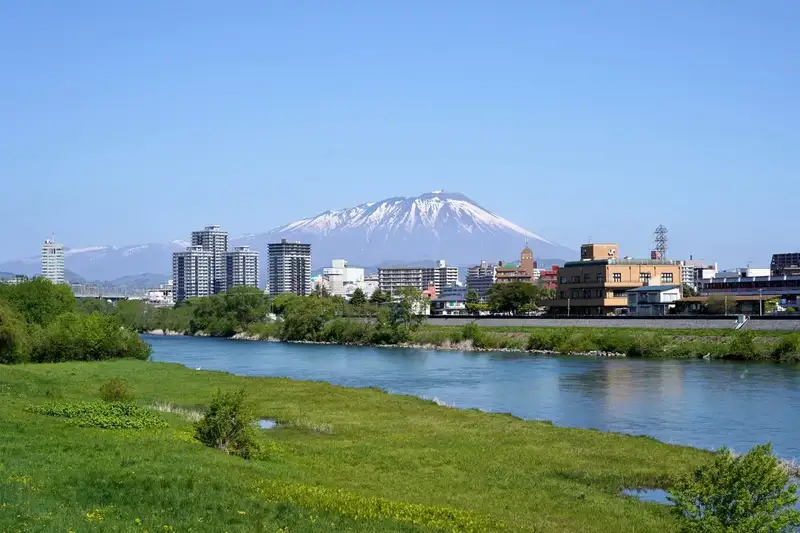
No.2 on the NYT 2023 list — wanko soba, reimen and jajamen, the castle ruins, Tatsuno Kingo's red-brick bank and Koiwai Farm, just 2h12m from Tokyo by Shinkansen.
The 14 km Oirase Gorge foliage walk (peak late Oct), Choshi Otaki falls, the double-caldera Lake Towada, and Hachimantai's snow corridor and Dragon Eye pond — with the honest no-train access plan.
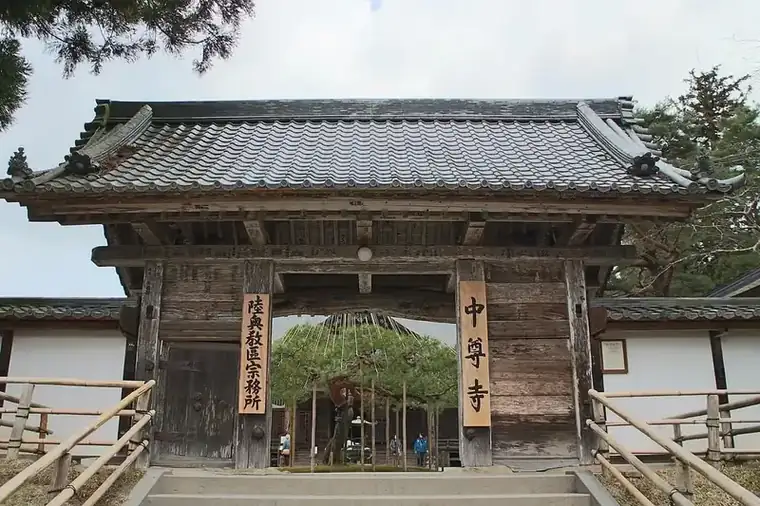
The World Heritage golden-age capital of the Northern Fujiwara — Chusonji's gold-leaf Golden Hall, Motsuji's Pure Land garden and the history of Yoshitsune.
Honshu's northern tip of Jomon heritage and gateways — the World Heritage Sannai-Maruyama site, year-round nebuta floats at Wa Rasse, Hakkoda and Oirase, plus Oma tuna and apples.

Akita's little Kyoto of Tohoku — the black-fenced samurai district, 162 weeping-cherry natural monuments, the riverbank cherry tunnel and Japan's deepest Lake Tazawa.

By day it is crowded; the gaslight magic happens after sunset — day trip or overnight, and is the extra night worth it?

No stories found. Try another topic or keyword.